Round table furniture has gained popularity among global buyers for its versatility and charm. This style creates a welcoming atmosphere, perfect for dining, meetings, or casual gatherings. These tables can adapt to various interior designs, enhancing both traditional and modern settings.
Each unique round table brings character to spaces. Buyers often seek diverse styles, from minimalist Scandinavian designs to ornate Mediterranean pieces. Material choices also vary, including wood, glass, and metal, allowing it to fit any taste. This article explores the top 10 round table furniture styles.
While round tables offer many benefits, finding the right fit can be challenging. Some designs may not suit all spaces, leading to mismatched aesthetics. Therefore, understanding each style's unique features is essential. This guide aims to provide insights, helping buyers make informed decisions when choosing round table furniture.
Top 10 Round Table Furniture Styles for Global Buyers: An Overview
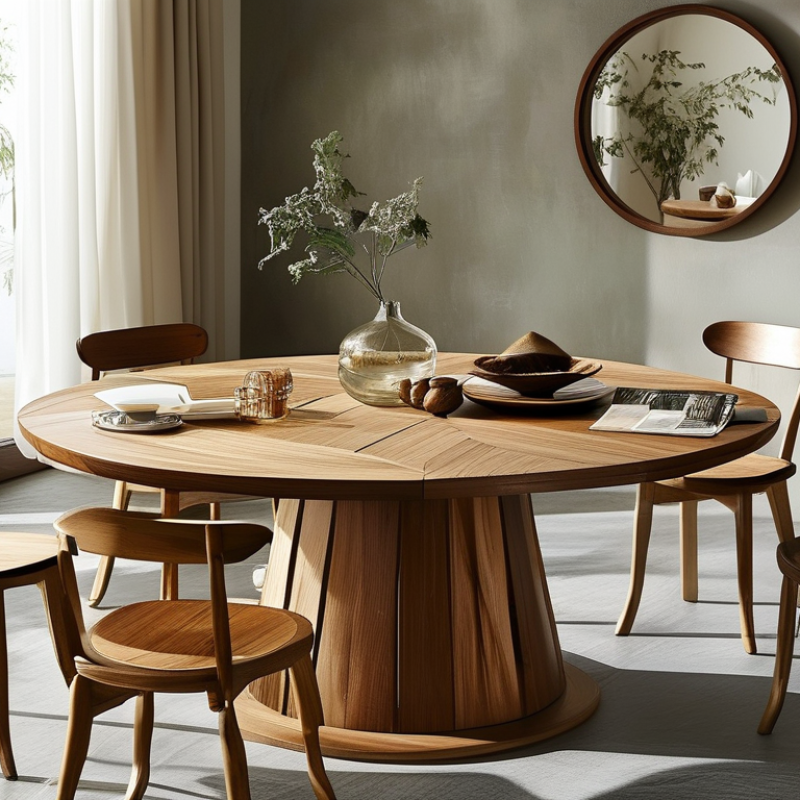
When choosing round table furniture, style matters significantly for global buyers. Each design carries unique characteristics that can shape a room's ambiance. For a minimalist approach, Scandinavian designs focus on simplicity and functionality, made from light woods. They create open spaces that feel less cluttered, ideal for modern homes.
Scandinavian Design Example
On the other hand, classic styles, such as Victorian, offer ornate details and rich materials, capturing a sense of luxury. However, these may require more maintenance. Expect scratches and wear over time, which can detract from the initial beauty. Mid-century modern designs emphasize geometric shapes and vibrant colors. They are versatile but may clash with traditional décor.
Manufacturers and buyers often overlook regional preferences. Buyers should consider their cultural backgrounds when selecting styles. Understanding what resonates with different audiences is crucial. Simple choices might lead to regrets later. Choosing the right table should be a thoughtful process, combining personal style with practicality.
Understanding the Popularity of Round Tables in Global Markets
Round tables have gained immense popularity in global markets. Their design fosters communication and connection. Unlike traditional rectangular tables, round tables break down barriers. This makes them ideal for dining spaces, meeting rooms, and casual gatherings. Many cultures favor round tables because they encourage a sense of equality among participants. No one sits at the head, and everyone can see each other.
The various styles of round tables cater to diverse tastes. From rustic wooden designs to sleek modern finishes, the choices are vast. In urban areas, space constraints often lead buyers to choose smaller, versatile tables. These pieces can seamlessly integrate into tight spots while serving multiple functions. However, some might struggle with durability versus aesthetics. Finding a balance can be challenging, but the right style can elevate any room.
As consumers become more conscious of design, sustainability also plays a role. Many buyers seek eco-friendly materials. This shift indicates a growing awareness of our environmental footprint. Nonetheless, not all products marketed as sustainable live up to their claims. Researching materials and manufacturing processes becomes crucial. Buyers must navigate a labyrinth of options to find truly sustainable pieces. Round tables symbolize a blend of style and purpose, reflecting modern sensibilities and timeless appeal.
Comparative Analysis of Materials Used in Round Table Designs
Round tables are popular for their versatility and charm. The materials used in their design can greatly affect the aesthetics and functionality. Wood, metal, and glass are the most common materials chosen by designers. Each offers unique benefits and drawbacks.
Wooden tables, for example, are timeless. They add warmth to any space. However, they can be sensitive to humidity and temperature changes. This may lead to warping over time. On the other hand, metal tables are sturdy and modern. They can resist wear and tear but may lack the inviting feel of wood. Glass-top tables provide a sleek look. They create an illusion of space but can be prone to scratches and breakage.
Choosing the right material depends on lifestyle and setting. A family with children may not favor glass. Meanwhile, a contemporary office might shun wooden pieces. Understanding these dynamics is crucial when selecting a table. It’s essential to balance style with practicality for lasting satisfaction.
Top 10 Round Table Furniture Styles for Global Buyers
This chart shows a comparative analysis of the materials used in popular round table designs. The data reflects the percentage of each material used in the top 10 round table styles.
Key Trends Influencing Round Table Aesthetics and Functionality
Round tables have long been a staple in dining and living spaces. They promote conversation and collaboration, making them ideal for various settings. Recent reports indicate a shift in buyer preferences, favoring sustainable materials and multifunctional designs. For instance, a study highlighted that 65% of consumers prioritize eco-friendly options in their furniture purchases. This trend reflects growing awareness of environmental issues.
Aesthetics play a crucial role in round table design. Minimalist styles dominate, with many consumers leaning toward clean lines and neutral palettes. However, there is also a resurgence of rustic and vintage-inspired designs. According to market data, vintage-style furniture sales have increased by 30% in the past year. This shows a blend of nostalgia and modern practicality, meeting diverse buyer preferences.
Functionality is key in today's furniture market. Round tables are no longer just for dining. Many designs now include storage options or extendable features. Reports indicate that 40% of buyers seek versatility in their table choices. This evolution raises questions about whether traditional aesthetics can keep up with changing needs. As styles continue to adapt, the challenge remains to balance form and function effectively.
Market Insights: Consumer Preferences for Round Table Styles Worldwide
When it comes to round table styles, consumer preferences vary significantly across different regions. Many buyers favor rustic wood finishes that evoke warmth and familiarity. These styles often include intricate carvings or reclaimed materials, appealing to those who value sustainability. Meanwhile, modern designs featuring sleek glass tops and metal bases attract younger demographics. This juxtaposition highlights varying priorities—tradition versus contemporary aesthetics.
In Asia, round tables often symbolize unity and gathering. Materials like bamboo and lacquered wood are popular, reflecting cultural ties. Buyers look for tables that accommodate larger families for festive occasions. Conversely, Western consumers lean towards multifunctional tables. They seek pieces that serve both dining and workspace purposes. This reflects a trend in urban living where space is a premium.
Yet, consumers often struggle with balancing style and function. Some may choose visually appealing tables that lack practicality. Others might prefer highly functional pieces but find them visually unappealing. This tension calls for thoughtful consideration when making a purchase. Understanding regional nuances can help buyers make more informed decisions, ensuring their choice reflects both personal taste and lifestyle needs.
Conclusion
The article "Top 10 Round Table Furniture Styles for Global Buyers" provides a comprehensive overview of the various styles of round table furniture that are gaining popularity in international markets. It explores the reasons behind the increasing demand for round tables, highlighting their versatility and the social dynamics they promote in dining and gathering spaces.
Additionally, the article delves into a comparative analysis of materials commonly used in round table designs, ranging from wood to metal and glass, emphasizing their aesthetic appeal and functional characteristics. Key trends influencing round table aesthetics and functionality are also discussed, reflecting current consumer preferences worldwide. Market insights reveal how these trends shape the choices of global buyers, making round table furniture a significant player in the global furniture market.

 ZoomRoom