In the dynamic landscape of the furniture market, the dining table stands out as a crucial element in home design. Recent studies indicate that the global dining table market is expected to grow at a CAGR of 5.5% from 2023 to 2030. Chinese manufacturers are at the forefront of this movement, producing diverse styles and innovative designs that cater to both local and international tastes.
Given China's rich history and craftsmanship, global buyers often seek out dining tables that reflect both functionality and aesthetics. Notably, the rise in consumer demand for eco-friendly materials has led to an increased focus on sustainable practices in production. However, challenges remain. Many buyers report difficulties in sourcing reliable suppliers and authentic products.
The thoughtful selection of a dining table can significantly enhance a dining experience. Data shows that over 70% of families consider their dining space a pivotal area for gathering. Thus, choosing the right dining table is more than just a transaction; it's about investing in quality and style that stands the test of time. As we explore the top 10 dining tables from China, understanding these industry nuances will empower buyers to make informed decisions.
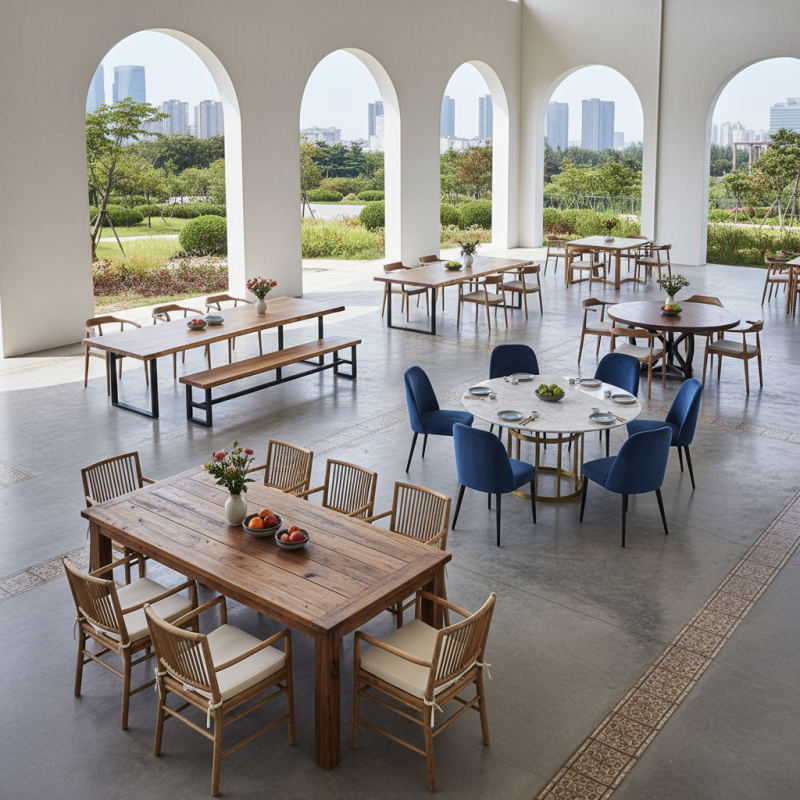
Throughout history, dining tables in China have undergone significant transformations. From the simple wooden structures of ancient times to intricate designs of the Ming and Qing dynasties, each era reflects cultural values and craftsmanship. Today, these tables symbolize unity and tradition in Chinese society.
The evolution of dining tables also mirrors societal changes. In rural settings, tables were often basic and functional. Urbanization introduced luxury materials. However, some modern designs neglect practicality, focusing solely on aesthetics. This shift raises questions about functionality versus style. Chinese consumers seek tables that marry tradition with contemporary design, yet the balance remains challenging to achieve.
Moreover, sustainable practices are becoming increasingly important. As consumers become more eco-conscious, the demand for responsibly sourced materials grows. This presents an opportunity for innovation while respecting tradition. The dining table remains a central element in Chinese culture, prompting reflection on its role in modern society.
Chinese dining tables reflect a rich tradition of craftsmanship and material selection. Many tables are carved from hardwoods like oak and walnut. These materials not only provide durability but also hold a natural aesthetic appeal. When combined with intricate designs, the result is often stunning.
Artisans might spend weeks or months crafting a single table. The attention to detail can be mesmerising, with hand-carved patterns and delicate finishes. However, finding a balance between artistry and functionality can be challenging. Some designs may sacrifice stability for beauty. This can lead to tables that are visually impressive but less practical for daily use.
Sustainable sourcing of materials is becoming more important. Buyers should be aware of the origins of the wood and the crafting processes. This ensures that their tables are not only beautiful but also ethically produced. While the allure of exotic woods might tempt some, understanding the ecological impact is crucial. In this rapidly changing market, thoughtful purchasing decisions can reflect a deeper appreciation for the craft.
When choosing a dining table, certain features are critical for global buyers.
Material quality ranks high.
Solid wood remains a top choice, favored for durability and aesthetics.
Studies show that 70% of buyers prioritize wood for its timeless appeal.
Metal and glass options are gaining traction due to their modern look.
However, they often lack warmth, which some families desire.
Size matters significantly.
According to market research, 65% of buyers prefer tables that comfortably seat six.
Sizing should also accommodate room dynamics. A table that is too large can overwhelm a space,
while a too-small table may feel inadequate for gatherings.
Adjustable tables offer flexibility, catering to various needs.
Quality craftsmanship is essential. Buyers should look for features like rounded edges and
sturdy joints. Reports indicate that 80% of complaints arise from poor assembly.
Additionally, surface finish affects longevity. Glossy finishes may look appealing, but they often show
scratches more readily. A matte finish can conceal imperfections
better, offering a more practical option for daily use.
Dining tables in China reflect rich cultural influences. Traditional Chinese designs often emphasize harmony and balance. Families gather around these tables, making them central to social life. The round table shape promotes equality among diners. In contrast, rectangular designs offer a formal touch for important occasions.
Craftsmanship is key to Chinese dining tables. Artisans use local woods and techniques passed down through generations. Intricate carvings often depict auspicious symbols like dragons and phoenixes. These elements infuse the table with meaning, adding depth to each meal. However, modern trends sometimes clash with tradition. Some seek minimalist designs, risking the loss of cultural heritage.
Choosing a dining table involves more than aesthetics. It requires understanding the cultural significance of materials and shapes. Buyers should consider how these tables will fit into their homes. Reflect on how functionality meets tradition. A well-chosen table nurtures connections, creating lasting memories for everyone at the table.
When considering dining table styles in China, modern and classic designs stand out. Modern styles often feature sleek lines and minimalist aesthetics. They cater to urban living, focusing on functionality and simplicity. This trend correlates with a report from Statista, which revealed a 30% increase in modern furniture sales in China from 2019 to 2023. Homeowners seek tables that fit smaller spaces without sacrificing style.
Classic designs, on the other hand, embrace rich woods and intricate carvings. They evoke a sense of timeless elegance. A recent survey found that around 45% of buyers still prefer classic dining tables for their dining rooms. Many feel that these pieces add warmth and character to their homes. However, the maintenance of classic tables can be demanding and requires a commitment to preservation.
In contrast, modern tables often have more straightforward maintenance. They are typically made with materials that resist stains and wear. Nonetheless, some modern designs can lack the emotional connection found in classic pieces. As buyers navigate these choices, it's crucial to weigh personal style against practicality and emotional value. Both styles have their merits and challenges, reflecting the diverse preferences of Chinese consumers.
: Solid wood is favored for durability and aesthetics. It appeals to buyers for its timeless qualities.
Size is crucial; many buyers prefer tables that seat six comfortably. Too large or too small may disrupt space.
Look for rounded edges, sturdy joints, and a good surface finish. Poor assembly is a common complaint.
Matte finishes can conceal scratches better than glossy finishes. They are often more suitable for daily use.
Chinese designs emphasize harmony and balance. Round tables promote equality, while rectangular ones suit formal occasions.
Skilled artisans use local woods and traditional techniques. Intricate carvings add meaning to the dining experience.
Understanding cultural significance is important. Reflect on how the table fits into daily life and family connections.
Yes, minimalism can clash with traditional elements. This risk may lead to the loss of cultural heritage.
A suitable table nurtures connections and helps create lasting memories among family and friends.
Many buyers report complaints due to poor assembly. It highlights the need for quality craftsmanship.
The article "Top 10 Dining Tables in China for Global Buyers to Consider" explores the rich history and evolution of dining tables in China, highlighting how cultural influences and traditions shape their designs. From historical perspectives to the intricacies of materials and craftsmanship, the article delves into the artistry behind creating quality dining tables that appeal to global markets.
Additionally, it outlines key features that potential buyers should look for when selecting dining tables, offering insights into the contrasting styles of modern and classic designs prevalent in China. By understanding these elements, global buyers can make informed decisions when considering dining tables that resonate with both functionality and aesthetic appeal.

ZoomRoom