China Top 10 Coffee Table Designs for Global Buyers?

Time:2026-05-16 Author:Oliver
0%

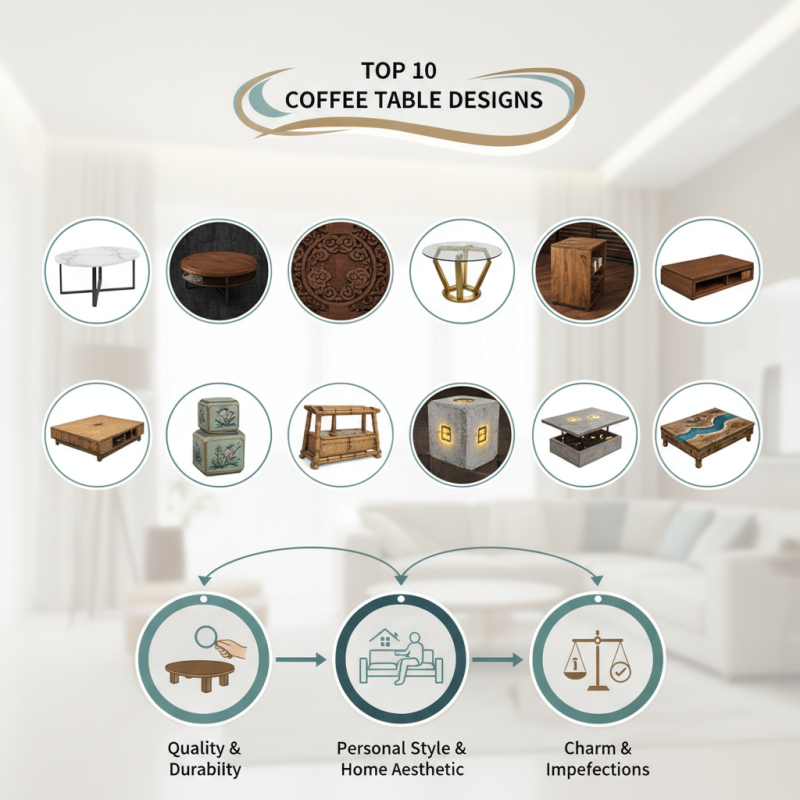
China is renowned for its craftsmanship and design innovation, especially in furniture. A coffee table is more than just a functional piece; it's a focal point in living spaces. It reflects personal style and enhances the overall aesthetic of a room.

The top 10 coffee table designs from China offer a diverse range of styles. From minimalist to elaborate, these tables cater to various tastes. Each design showcases unique materials and techniques. The blend of tradition and modernity creates captivating pieces that are both practical and artistic.

In considering these designs, buyers should pay attention to quality and durability. A beautiful coffee table must withstand daily use. Sometimes, even well-crafted pieces may have minor imperfections. This is part of their charm. Reflecting on individual needs and preferences is crucial in selecting the perfect coffee table.
China Top 10 Coffee Table Designs for Global Buyers?

China's Top Coffee Table Designs: Cultural Influence and Trends

China's coffee table designs reflect a blend of tradition and modernity. They showcase intricate craftsmanship influenced by cultural heritage. Many designs incorporate elements from ancient Chinese art, such as calligraphy and landscape motifs. These features not only elevate aesthetics but also tell stories rooted in China's rich history.

Trends in Chinese coffee tables have shifted towards minimalism. Many buyers look for sleek lines and functional shapes. The use of natural materials like wood emphasizes authenticity. Although this trend is appealing, some designs may lack unique character or emotional connection. It is crucial to balance simplicity with personalization for a warm atmosphere.

Color choices in these designs also play a significant role. Earthy tones dominate, bringing nature indoors. However, vibrant colors occasionally make a statement, capturing attention. This diverse palette invites buyers to reflect on their style preferences and the environment they wish to create.

Materials Used in Chinese Coffee Tables: From Wood to Metal

Chinese coffee tables are crafted from a variety of materials, each contributing to the design and functionality. Wood is a predominant choice, valued for its warmth and durability. According to industry reports, 70% of coffee tables produced in China utilize natural wood. Popular types include oak, walnut, and bamboo. Each wood type offers unique variations in grain and color, appealing to diverse consumer preferences.

Metal is another significant material in modern Chinese coffee table designs. It provides a sleek, contemporary look that contrasts well with wood. Data shows that metal coffee tables account for 25% of the market. Stainless steel and aluminum are often selected for their strength and resistance to corrosion. This combination of materials allows designers to experiment with innovative styles that reflect current trends.

However, the use of synthetic materials raises some concerns. While they are often cheaper and more versatile, their environmental impact cannot be ignored. Many manufacturers face pressure to source sustainable materials. This shift poses challenges as it often necessitates changes in supply chains. The industry must balance cost, sustainability, and aesthetic appeal, reflecting a broader trend towards responsible design.

Design Styles: Traditional vs. Contemporary Chinese Coffee Tables

Chinese coffee tables showcase a blend of traditional and contemporary styles. Traditional designs often emphasize intricate carvings and rich wood tones. They reflect centuries-old craftsmanship. The tables might feature curved legs and detailed motifs. These elements can evoke a sense of history and cultural pride. They are perfect for creating a warm, inviting atmosphere.

In contrast, contemporary designs lean towards minimalism and functionality. They often use materials like glass and metal. These tables have clean lines and a sleek aesthetic. This style suits modern decor, offering versatility and practicality. However, some might find contemporary pieces too simplistic. They can lack the character of traditional designs.

Choosing between these two styles can be challenging. It depends on the desired ambiance in a space. A blend of both styles can also be an option. This combination allows for personal expression while maintaining harmony. Ultimately, the decision reflects individual taste and lifestyle needs.

China Top 10 Coffee Table Designs for Global Buyers

Design Style Material Dimensions (L x W x H cm) Color Options Price Range (USD)
Traditional Chinese Teak Wood 120 x 70 x 45 Dark Brown, Red 300 - 500
Contemporary Minimalist Metal & Glass 110 x 60 x 40 Black, White, Silver 200 - 400
Rustic Farmhouse Reclaimed Wood 130 x 80 x 50 Naturals, Grays 250 - 450
Art Deco Marble & Brass 90 x 90 x 45 White, Gold, Black 400 - 600
Asian Fusion Bamboo 120 x 75 x 45 Natural, Dark Brown 150 - 300
Scandinavian Birch Plywood 110 x 70 x 40 Light Wood, Pastels 200 - 350
Industrial Wood & Metal 125 x 65 x 55 Rust, Black 300 - 500
Mid-Century Modern Walnut 100 x 60 x 45 Warm Walnut, Teal 200 - 400
Luxury Modern Glass & Chrome 115 x 75 x 50 Clear, Metallic 500 - 1000
Bohemian Mixed Materials 100 x 100 x 45 Vibrant Colors, Natural 100 - 300

Functionality and Versatility: Coffee Tables for Modern Living Spaces

Coffee tables play a crucial role in modern living spaces. They serve as more than just a surface for drinks. A well-designed coffee table can enhance the aesthetic of a room. It can also offer storage solutions, making it a functional centerpiece. Many designs incorporate hidden compartments. This feature can help keep the area tidy. The right coffee table will marry style with utility.

Versatility is key when selecting a coffee table. Some tables transform into extra seating or even extend for dining. Others can be multi-tiered, accommodating books and decor. Consider tables shaped like geometric figures for a contemporary touch. However, not all designs are practical. Some may look good but offer little functionality. It's essential to evaluate how a table fits into your lifestyle.

In choosing a coffee table, think about materials. Wood gives warmth; glass offers openness. Metal can add an industrial edge. A balance between durability and style is vital. Each choice impacts overall ambiance. Reflecting on your space's needs can guide you. The perfect table should inspire comfort and serve numerous purposes.

China Top 10 Coffee Table Designs for Global Buyers

Global Appeal: How Chinese Coffee Tables Fit into International Markets

Chinese coffee tables have carved a niche in international markets, showcasing a blend of traditional craftsmanship and modern aesthetics. Their designs often feature intricate woodwork, elegant finishes, and functional elements. Many designs mirror the beauty of nature, using sustainable materials to appeal to eco-conscious consumers. This uniqueness captures the attention of global buyers looking for pieces that tell a story while enhancing their living spaces.

While some designs resonate universally, there are cultural nuances that can challenge global appeal. For instance, the use of bold colors and patterns may not align with minimalist trends in certain markets. Moreover, variations in size and functionality can make it difficult for these tables to fit seamlessly into diverse settings.

Brands must navigate these challenges, adapting designs while maintaining authenticity. This balance can be tricky but could lead to innovation and new styles that cater to various tastes.

FAQS

: What materials are commonly used in Chinese coffee tables?

: Chinese coffee tables are mainly made from wood and metal. Wood offers warmth, while metal adds a modern touch.

Why is wood a popular choice for coffee tables?

Wood is valued for its durability and aesthetic appeal. Types like oak and walnut provide unique grain patterns and colors.

How much of the market do metal coffee tables represent?

Metal coffee tables make up about 25% of the market. They are popular for their sleek and contemporary designs.

What are some concerns with synthetic materials?

Synthetic materials are often cheaper but raise environmental concerns. Their use can harm sustainability efforts in the industry.

How do Chinese coffee tables appeal to international markets?

They blend traditional craftsmanship with modern aesthetics. Unique designs attract global buyers interested in unique stories.

What challenges do these tables face in different markets?

Cultural differences can affect their appeal. Bold colors may not suit minimalist preferences in some regions.

How important is sustainability in coffee table production?

Sustainability is increasingly important for buyers. Manufacturers are pressured to use eco-friendly materials, impacting their supply chains.

Do all designs work well in various settings?

Not all designs fit seamlessly into different spaces. Size and functionality can limit their adaptability to diverse environments.

Can cultural elements clash with design trends?

Yes, certain cultural features may not align with existing trends. Balancing traditions with modern preferences can be challenging.

Are manufacturers adapting their designs?

Yes, many are adapting designs for global markets while trying to maintain authenticity. This can lead to innovation and new styles.

Conclusion

The article "China Top 10 Coffee Table Designs for Global Buyers" explores the various facets of Chinese coffee tables, emphasizing their cultural significance and evolving trends. A coffee table serves not only as a functional piece of furniture but also as a reflection of artistry, combining traditional influences with contemporary designs. Diverse materials, including wood, metal, and ceramics, are utilized to create unique styles that cater to a global audience.

Moreover, the article highlights the versatility of coffee tables in modern living spaces, showcasing designs that merge practicality with aesthetic appeal. As international buyers seek to incorporate Chinese coffee tables into their homes, understanding the balance between traditional craftsmanship and modern functionality becomes essential. This synergy ensures that a coffee table can be both a statement piece and a practical addition to any décor.

Oliver

Oliver

Oliver is a seasoned marketing professional with a wealth of expertise in driving brand awareness and engagement. With a deep understanding of our company's product offerings, he consistently delivers high-quality content that enriches our professional blog. His insights not only shed light on......