Choosing the right TV unit for your home can significantly enhance your living space. A well-chosen TV unit not only complements your interior but also serves as a functional piece of furniture. With numerous styles available, it can be overwhelming to decide which one fits your needs best.
Consider the size and layout of your room when selecting a TV unit. The right fit should accommodate your television while leaving enough space for other elements. Too small, and it may look awkward. Too large, and it can overpower the room. It's essential to measure your space accurately before making a choice.
Moreover, think about additional features you may need. Some TV units offer storage for gaming consoles or media. Others provide cable management solutions to avoid clutter. Reflecting on your specific needs will guide you in making a more informed decision. Ultimately, a TV unit should enhance your enjoyment of your entertainment space.
When selecting a TV unit, measuring your space accurately is crucial. According to a report by the American Association of Interior Designers, 70% of homeowners find that improper measurements lead to unsatisfactory furniture choices. Taking precise measurements helps avoid common errors that can disrupt your living area’s aesthetic.
Begin by noting the dimensions of your wall where the unit will sit. Measure the height, width, and depth. Consider leaving additional space for airflow and cable management. Avoid the pitfall of assuming that your desired TV size will fit seamlessly. The ideal situation allows for a few extra inches of wiggle room.
Many people overlook the importance of height. A TV unit should be positioned at eye level when seated. This positioning enhances viewing comfort. Additionally, ensure that the unit complements your overall décor. Blending functionality with style can be a challenge. Reflections from windows or lamps can impact your viewing experience too. Always evaluate these factors, as they can significantly change your satisfaction with the final setup.
When selecting a TV unit, style plays a crucial role. Modern designs often feature clean lines and minimalist aesthetics. These units blend seamlessly with contemporary furnishings. A report by Statista indicates that modern furniture accounts for 45% of consumer purchases, highlighting its appeal. These units usually offer streamlined storage solutions. They are ideal for those who prefer a clutter-free environment.
On the other hand, traditional TV units showcase intricate craftsmanship and rich materials. They evoke a sense of warmth and nostalgia. According to a 2022 survey by the American Home Furnishings Alliance, 30% of consumers still prefer traditional styles. These units often come with ornate detailing. However, they may require more upkeep, which can lead to buyer's remorse for some.
Choosing between modern and traditional styles can be challenging. Consider your existing decor and functionality needs. Think about storage options, including space for gaming consoles and media players. Anticipate how the unit will fit into your daily life. Sometimes, a hybrid approach works well, combining elements of both styles. Finding the right balance may require more thought than expected.
| Style | Features | Ideal Room Type | Average Price |
|---|---|---|---|
| Modern | Sleek design, minimalistic, often with built-in storage | Contemporary living rooms, studios | $300 - $800 |
| Traditional | Classic design, ornate details, often made of wood | Family rooms, dens | $400 - $1000 |
| Industrial | Rustic metal, reclaimed wood, raw finishes | Lofts, modern homes | $350 - $900 |
| Scandinavian | Functional, simple lines, light colors | Bright, airy spaces | $250 - $700 |
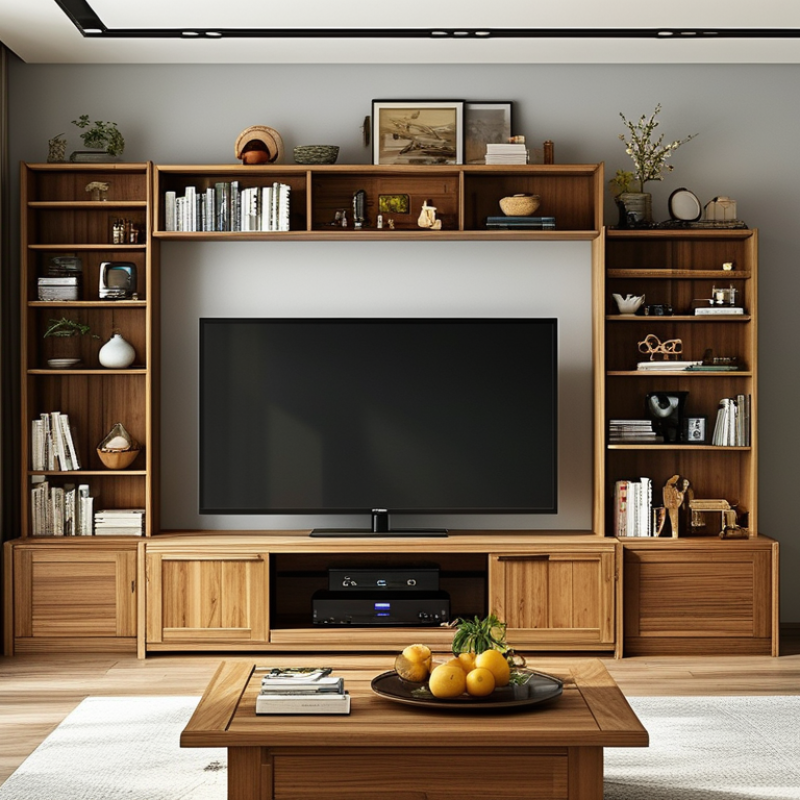
When choosing a TV unit, the material matters significantly. Wood, metal, and glass each offer unique benefits. Solid wood provides durability and a classic aesthetic. However, it may require regular maintenance to prevent wear. Veneer options can be cost-effective but might not last as long as solid wood. Metal frames can offer a modern look but may be less forgiving in accommodating weight.
Glass surfaces can create an elegant feel but risk shattering and scratches. Think about how each material interacts with your living space. Consider the climate too. Humidity can warp wood, while extreme heat can weaken metal. These factors impact longevity.
Reflect on your lifestyle. If you have children or pets, robust materials like engineered wood or metal might be wiser. A delicate piece can become impractical in a bustling home. Assess your choices carefully to strike a balance between beauty and functionality. Each selection impacts both your space's ambiance and the unit's endurance. Don’t overlook the importance of quality construction, as it affects how well your TV unit stands the test of time.
When choosing a TV unit, functionality is key. A well-designed unit provides adequate storage and accommodates your devices. Think about how many items you have. If you own multiple gadgets, opt for a unit with ample shelves and compartments. This will help you avoid clutter and visually organize your space.
Cable management often gets overlooked but is essential for a tidy environment. A TV unit with built-in cable management helps conceal cords. This creates a clean look in your living area. Evaluate different options; some units feature cable holes or back panels designed to hide wires. It might take some time to find the perfect solution, but a clean space is worth it.
Consider your lifestyle too. Do you watch a lot of TV or use streaming devices? A more functional unit with open shelving may work better. Reflect on the space you have; too many drawers might not be practical. Aim for a balance between design and efficiency. A thoughtful choice can enhance both your relaxation and the overall aesthetic of your home.
Choosing the best TV unit requires thoughtful budgeting. Start by assessing your space and needs. Measure your area to ensure a perfect fit. Consider how much storage you need for media devices, books, or decor. This step can narrow down your choices effectively.
Look for units that balance quality and price. Quality craftsmanship often means lasting materials. However, high prices don’t always guarantee better products. Research online reviews and user experiences. It’s wise to visit local stores to see items in person. Check for build quality and design. This tactile experience reveals details not visible online.
Remember, value is not solely about price. Sometimes, a mid-range unit serves better than an expensive one. Reflect on your lifestyle and viewing habits. How often do you change your setup? Are you looking for minimalism or something bold? Your answers can lead to smarter choices. Don’t rush; take time to explore your options before deciding.
: Measure your wall's height, width, and depth. Allow extra space for cables and airflow.
Position the TV unit at eye level while seated. This enhances viewing comfort significantly.
Modern units feature clean lines, while traditional ones have intricate details and warmth.
Traditional units often require more upkeep. Buyers might feel overwhelmed by maintenance needs.
Solid wood offers durability. Metal is modern but may not hold weight well. Glass adds elegance but risks damage.
If you have kids or pets, choose robust materials like engineered wood or metal for practicality.
Climate is vital. Humidity can warp wood; heat can weaken metal. Choose materials wisely.
A hybrid design blends modern and traditional elements. Consider your decor and storage needs.
Don’t assume your desired TV size will fit. Always measure carefully to avoid common errors.
Quality affects the unit’s durability and how well it withstands daily use. Always choose wisely.
When selecting the best TV unit for your home, it's essential to start by understanding your space. Measure the area where the unit will be placed to ensure a perfect fit and avoid overcrowding. Next, evaluate different styles, weighing the pros and cons of modern versus traditional designs to find one that complements your overall decor.
Material choice plays a crucial role in the longevity of your TV unit; consider options that provide both durability and aesthetic appeal. Additionally, prioritize functionality by looking for units that offer adequate storage solutions and efficient cable management systems. Finally, budgeting wisely will help you identify the best value for your needs, ensuring you find a TV unit that is not only stylish but also practical and budget-friendly.

ZoomRoom