Choosing the perfect dining area table for your home can be a daunting task. Interior design expert Sarah Johnson emphasizes, “A dining table is more than furniture; it’s where memories are made.” The right dining area table reflects your style and fits your space.
When considering a dining area table, think about size, shape, and material. A table should accommodate your family and guests comfortably. Round tables foster conversation, while rectangular ones define space. Wood offers warmth, while glass creates an illusion of space.
Remember that a dining area table is not just a purchase; it's an investment in your home. It's essential to choose a design that integrates with your decor. Reflect on how you use your dining area and what kind of atmosphere you want to create. Balancing aesthetics with functionality is crucial. Your dining area can evolve, so choose wisely.
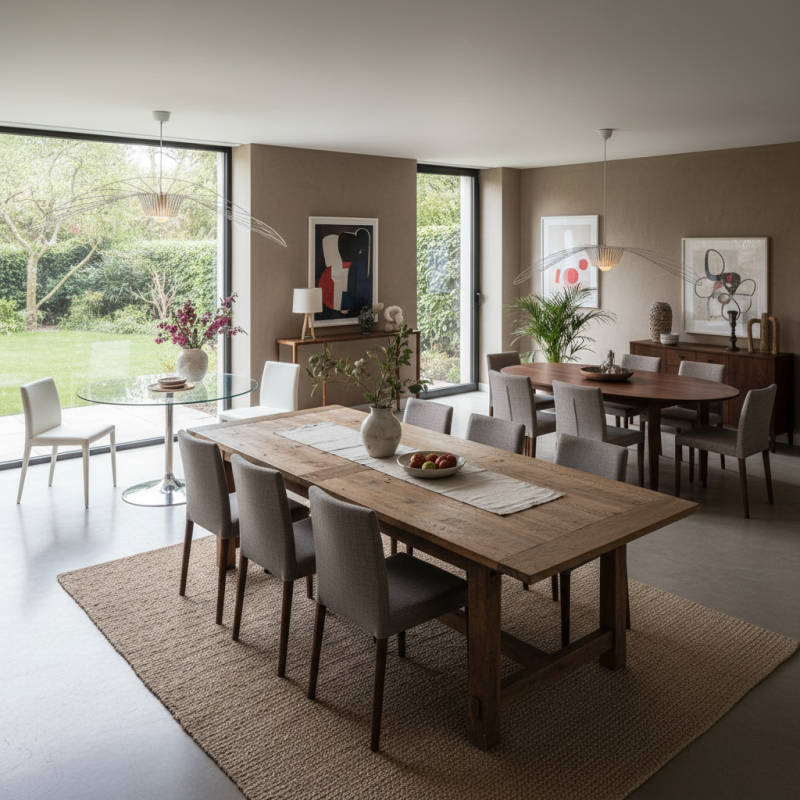
When choosing the perfect dining table, understanding your space is crucial. A study from the American Furniture Manufacturers Association indicates that the average dining table is around 60 inches long. However, dimensions can vary significantly based on style and function. It’s essential to measure the space accurately.
Begin with the length and width of the area where the table will sit. You need enough room to pull out chairs comfortably. A good rule of thumb is to leave at least 36 inches between the table and the walls or other furniture. If it feels cramped, the table might be too large for your needs.
Consider the shape of the table in relation to your space. Rectangular tables are perfect for larger rooms, while round tables work well in compact areas. Research suggests that round tables facilitate conversation but may limit seating capacity. Reflect on your lifestyle; is your dining area for family meals, or do you entertain often? These details matter in making a choice that balances form and function.
When selecting a dining table, the shape plays a significant role in how your space feels and functions. Round tables are great for small areas. They promote conversation and allow for easy movement. However, they may not provide enough surface area for large gatherings. On the other hand, rectangular tables work well in long rooms. They provide ample space for guests, but can make the area feel narrow if not positioned correctly.
Square tables can create a sense of balance in square rooms. They also offer versatility for intimate dinners or game nights. Yet, they may restrict space for larger parties. Consider your room's layout. Think about the flow of movement around the table. This can sometimes require a rethink of placement and design elements in your dining area.
Ultimately, choosing a dining table is about finding the best fit for your lifestyle. Assess how you use the space. Will you host frequent gatherings or enjoy intimate family meals? Your choice should reflect your needs. As you explore different shapes, keep in mind both functionality and aesthetics. Let your dining area tell the story of your home.
Choosing the right material for your dining table is crucial for both durability and aesthetic appeal. Different materials offer unique benefits and drawbacks. Solid wood tables, for example, add warmth and charm to a home. They are also durable but can be prone to scratches and water damage. Regular maintenance is essential to keep them looking good.
On the other hand, metal or glass tables provide a sleek, modern look. They are typically easier to clean but may lack the coziness of wood. Glass can be beautiful but requires frequent upkeep. Fingerprints and smudges are often visible, requiring a bit more effort.
Consider your lifestyle when choosing materials. If you have kids or pets, durability might be your primary concern. Opting for materials that resist wear and tear is wise. However, if you prioritize style over practicality, then a fragile piece might suit your aesthetic. Balancing these factors can be difficult. It's essential to reflect on daily use versus the visual appeal you desire.
Choosing the right dining area table begins with understanding how many guests you will typically entertain. Research indicates that the average household hosts around five guests per gathering. This statistic suggests a table that accommodates at least six people, allowing for comfortable space and movement.
Consider the arrangement of your dining room. A rectangular table is ideal for larger gatherings, making it possible to seat more people without feeling cramped. A round table often suits smaller spaces, encouraging conversation but may limit seating capacity. According to industry experts, tables should provide at least 24 inches of space per person to ensure a pleasant dining experience.
Think about your entertaining style too. If you frequently host dinner parties, extra space might be necessary for serving dishes. On the other hand, a cozy family dinner might require less. Be aware of the pitfalls; a table that's too large can dominate a room, while one that’s too small may hinder enjoyable meals. It's important to find the balance between functionality and aesthetics in your dining area.
Choosing a dining table involves more than just aesthetics. It’s about how well it fits within your home’s decor. A well-selected table can enhance the overall feel of a room. Consider the materials and colors present in your space. For instance, a rustic wooden table can beautifully contrast modern decor. Reflect on how each piece works together in harmony.
Tips for achieving this balance include focusing on scale and proportion. A large table in a small room may feel overwhelming. Conversely, a tiny table in a spacious dining area can look lost. Measure your space carefully. This helps you visualize how different sizes would actually fit.
Think about the design style of your home. A sleek glass table suits contemporary spaces, while ornate wooden designs fit traditional homes. Mixing styles can work, but it requires thought. Don’t rush this decision. Take time to view tables in various settings. Consider how you want your dining area to feel. Is it casual or formal? Reflect on your lifestyle before making a choice.
: Consider durability, aesthetic appeal, and your lifestyle. Solid wood is warm, but can scratch easily.
Regular maintenance is essential for wooden tables. This keeps them looking good and protects against damage.
They provide a modern look and are easier to clean. However, they may lack the cozy feel of wood.
Aim for seating for at least six people. This allows comfortable space and movement for gatherings.
A rectangular table is best. It can seat more people without feeling cramped during those gatherings.
Provide at least 24 inches of space per person. This ensures everyone has a pleasant dining experience.
A large table can overwhelm a small room. A tiny table may feel lost in a spacious area.
Reflect on materials and colors in your space. A contrasting table can enhance your overall decor.
Yes, but it requires careful thought. Don’t rush your decision. Each piece should work together harmoniously.
Reflect on your lifestyle. Consider if you want a casual or formal feel in your dining space.
Choosing the perfect dining area table involves several crucial considerations to ensure it fits seamlessly into your home. Start by understanding your space—accurately measuring the area where the table will reside is essential for a proper fit. Explore various dining table shapes, as they can significantly influence how the space is perceived and utilized. Additionally, selecting the right material is vital for both durability and aesthetic appeal, helping the table withstand everyday use while complementing your decor.
Seating capacity is another key factor; consider how many guests you plan to entertain to determine the appropriate size. Finally, balancing style and functionality is important—your dining area table should not only be practical but also enhance the overall aesthetic of your home. By taking these aspects into account, you can find a dining area table that perfectly suits your needs and enhances your dining experience.

ZoomRoom