In the ever-evolving world of home design, the realm of Sofas And Sofa Beds is set to experience a remarkable transformation in 2026. Renowned interior designer Anna Schwartz emphasizes, "Sofas And Sofa Beds are not just about comfort; they define the mood of a space." Her insight highlights the growing importance of aesthetics combined with functionality in modern living.
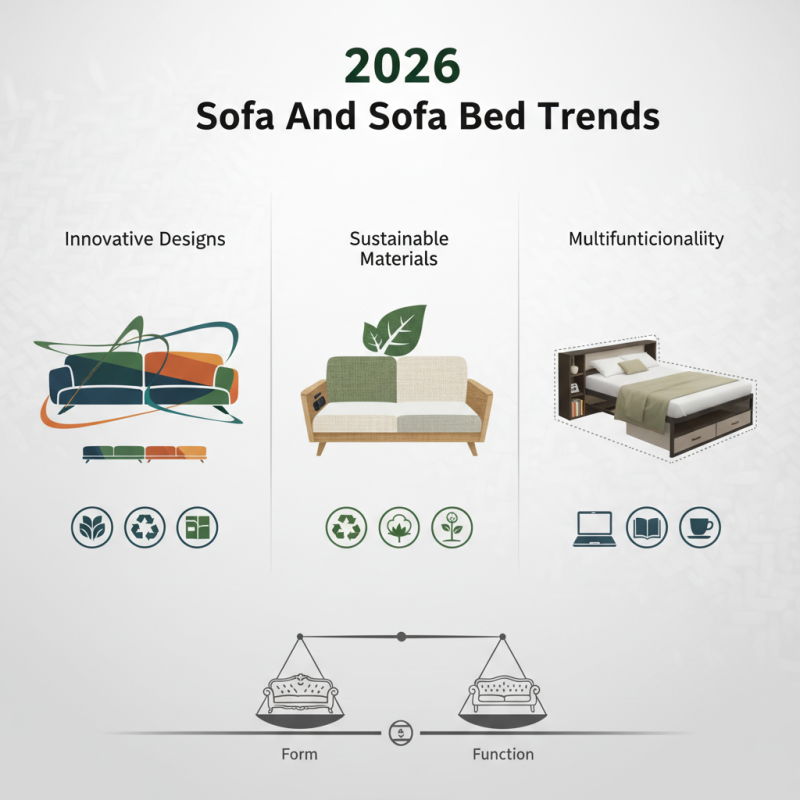
As consumers seek versatile options for their homes, the trends in Sofas And Sofa Beds are shifting. Innovative designs, sustainable materials, and multifunctionality are at the forefront. Expect to see striking colors and textures that will breathe new life into living areas. Consumers want pieces that reflect their personality and lifestyle.
However, amidst these exciting changes, certain questions remain. Are we losing the essence of traditional craftsmanship in favor of trends? Will durability take a backseat to style? The balance between form and function is increasingly crucial. Navigating the 2026 trends in Sofas And Sofa Beds requires careful consideration of both beauty and practicality.
The aesthetics of sofas and sofa beds are evolving rapidly. In 2026, consumers gravitate towards versatile designs that blend form with function. According to a recent industry report by Statista, the global upholstered furniture market is projected to grow at a CAGR of 5.1% from 2021 to 2026. This indicates a strong demand for innovative sofa designs that adapt to modern lifestyles.
Natural materials are gaining popularity. Eco-conscious consumers prefer fabrics like organic cotton and linen. These materials offer sustainability without compromising on style. Bold colors and patterns are also on the rise, reflecting individual expression. However, some designers worry about over-saturation in the market. They fear that trends may lead to a loss of authenticity in design.
Balancing aesthetics with practicality is crucial. Modular sofas allow customization, catering to diverse living spaces. However, the challenge lies in creating pieces that remain relevant over time. Trends can quickly become outdated, leaving consumers with regrets. Industry experts emphasize the importance of timeless designs that offer both comfort and visual appeal.
Sofa beds have evolved significantly, balancing comfort and functionality. Recent reports show that the global sofa bed market is projected to grow by 5.1% annually from 2023 to 2030. This growth indicates a rising demand for innovative furniture solutions that fit modern living spaces. Consumers are increasingly seeking designs that do not compromise on aesthetic appeal.
Innovations in technology have played a pivotal role in enhancing sleeper sofas. Memory foam mattresses and hybrid designs have improved sleep quality dramatically. According to a survey by furniture design experts, over 70% of users now report better comfort compared to traditional sofa beds. Features such as ergonomic support and easy-to-operate mechanisms are becoming standard.
However, not all advancements are without flaws. Some designs still suffer from durability issues. Frequent uses can challenge the longevity of mechanisms. As manufacturers explore sustainable materials, finding the right balance between eco-friendliness and durability remains a challenge. Addressing these concerns is essential for achieving greater reliability in sofa bed technology.
As we approach 2026, the landscape of sofas and sofa beds is evolving remarkably. Key materials and fabrics are central to this transformation. Sustainable options are rising in popularity. Consumers are increasingly drawn to eco-friendly fabrics. Recycled polyester and organic cotton lead the charge, offering both comfort and a smaller environmental footprint.
Texture plays a crucial role. Velvet and boucle are making waves, enhancing tactile experiences. These materials add warmth and depth to any living space. However, potential buyers should consider maintenance. While stunning, velvet can be challenging to clean. Boucle, though cozy, can be prone to snagging and wear.
Color trends are shifting too. Earthy tones dominate, with deep greens and warm terracottas emerging. But don’t overlook the bold choices. Bright yellows and rich blues provide playful accents. Choosing a statement sofa can feel intimidating. Consider how it will blend with existing decor. It’s essential to balance trends with practicality. Reflection on your personal style can guide you in making a thoughtful choice.
| Trend | Key Materials | Popular Fabrics | Design Features |
|---|---|---|---|
| Sustainable Design | Recycled materials, Organic cotton | Bamboo fabric, Linen | Eco-friendly finishes, Modular designs |
| Bold Color Palettes | Velvet, Faux leather | Satin, Chenille | Contrasting cushions, Color blocking |
| Integrated Technology | Smart textiles, Memory foam | Performance fabrics | USB ports, Wireless charging |
| Curved Silhouettes | Wood, Metal frames | Upholstery blends | Organic shapes, Minimalistic design |
| Space-Saving Solutions | Lightweight materials | Cotton blends, Outdoor fabrics | Convertible designs, Hidden storage |
As we step into 2026, color palettes and patterns for sofas and sofa beds are evolving. According to a recent report from the Furniture Today, soft, muted colors are gaining traction. Shades like sage green and soft terracotta are replacing the brighter tones of previous years. These colors evoke a sense of calm and connection, ideal for creating cozy living spaces. Designers recommend using these hues in combination with natural materials like wood and stone.
Pattern trends are also shifting. The resurgence of bold geometric patterns is evident. A survey by the International Interior Design Association reveals that 47% of consumers are drawn to modern prints that add character. However, mixing patterns can be challenging. Some might find it overwhelming or chaotic when not done right. A simple tip is to maintain a color scheme; this helps anchor diverse patterns together effectively.
Textures play a significant role in 2026 as well. Velvet and bouclé are in vogue, offering both style and comfort. However, one must consider maintenance; these materials may require careful cleaning. This year invites us to explore layered textures while staying grounded in practicality. Ultimately, balancing aesthetic appeal with functionality remains key in selecting your next sofa or sofa bed.
Sustainability in sofa production is gaining momentum in the furniture industry. Eco-friendly materials are becoming essential. Consumers want pieces made from recycled or responsibly sourced materials. This shift is not just a trend; it's a necessity for our planet.
Understanding the lifecycle of materials is crucial. For instance, fabrics from organic cotton or Tencel have a lower ecological footprint. Many companies focus on using water-based adhesives instead of harmful chemicals. This ensures a healthier indoor environment.
Innovative designs are often more sustainable, too. Modular sofas can be updated or repaired easily. This longevity reduces waste over time. Concepts like upcycling are also on the rise. Transforming old furniture into new designs gives life to discarded items. While the movement is promising, challenges remain in scaling production processes sustainably. Eco-friendly does not always mean affordable, which is an ongoing concern for many.
: The global market is projected to grow by 5.1% annually due to the demand for innovative furniture.
Memory foam mattresses and ergonomic supports have significantly enhanced sleep quality.
Over 70% of users report improved comfort compared to traditional models.
Yes, some designs struggle with durability and frequent use can compromise mechanisms.
Eco-friendly materials are vital for the planet and are increasingly demanded by consumers.
Fabrics like organic cotton and Tencel are lower in ecological footprint and safer.
Modular sofas can be repaired or updated, reducing waste over time.
Eco-friendly options may not always be affordable, presenting a challenge for consumers.
Upcycling, or transforming old furniture into new designs, is on the rise.
Scaling production sustainably while maintaining affordability is an ongoing concern.
In 2026, the world of sofas and sofa beds is set to undergo a remarkable transformation, reflecting the latest trends in design, technology, and sustainability. Contemporary styles and aesthetics focus on clean lines and minimalism, making these pieces perfect for modern living spaces. Innovations in sofa bed technology are enhancing comfort and functionality, allowing for versatile usage without compromising on style.
Key materials and fabrics such as sustainable options are taking center stage, shaping the design landscape while responding to eco-conscious consumer demands. The color palettes for sofas this year are leaning towards earthy tones and bold patterns, offering a diverse range of choices to suit various tastes. Overall, the 2026 trends for sofas and sofa beds highlight a fusion of comfort, practicality, and environmental responsibility, making them essential elements for any contemporary home.

ZoomRoom