In the ever-evolving world of home decor, the Round Dinette Table stands out as a timeless centerpiece. This year, we see a surge in interest among global buyers, highlighting various trends. Experts emphasize the significance of choosing a dinette table that enhances your living space.
Round Dinette Tables are more than just functional. They offer warmth and intimacy, making dining experiences memorable. From modern minimalist designs to rustic charm, options abound. Today's buyers seek durability and style, ensuring their investments are wise.
Color plays a crucial role, with bold hues gaining popularity. Eco-friendly materials also attract conscientious consumers. However, choices can be overwhelming. It's essential to reflect on personal needs and preferences. The Round Dinette Table is not merely about aesthetics; it is a reflection of lifestyle and taste.
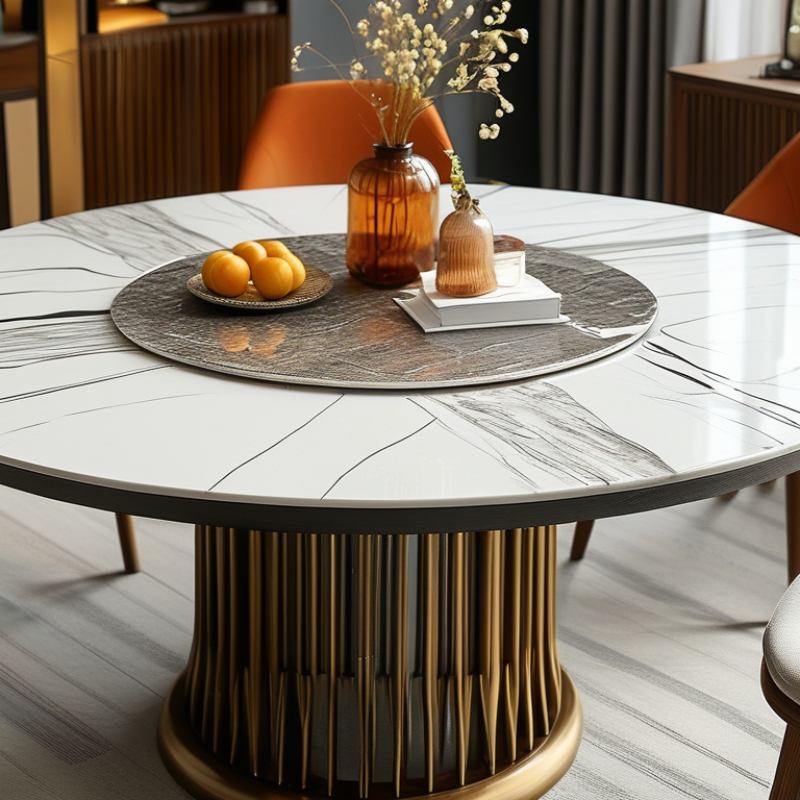
The dinette table market is set for significant growth in 2026. Industry reports project that global demand will rise by over 8% annually. A shift towards multifunctional furniture is driving this trend. Consumers prefer tables that suit both dining and work needs. Such versatility increases usability in smaller living spaces. Additionally, sustainability is a priority for many buyers. Materials like reclaimed wood are becoming increasingly popular.
As remote work remains prevalent, the demand for comfortable dining spaces will grow. However, the market faces challenges. Supply chain disruptions can affect availability. Consumers must balance style, function, and price. This makes careful selection crucial.
Tips for buyers: prioritize your needs—consider space, aesthetics, and function. Research current materials; sustainability matters. Don’t rush; observe how new trends fit into your lifestyle. Reflect on what truly enhances your space. This thoughtful approach can lead to a more satisfying purchase.
As we approach 2026, the trends in dinette tables reflect a shift towards sustainability and functionality. Key materials in these tables play a significant role in shaping consumer options. Bamboo is making a strong comeback. It offers durability and a natural aesthetic. Its rapid renewability adds to its appeal for eco-conscious buyers.
Another notable material is tempered glass. It provides a modern look that brightens spaces. However, its fragility can lead to safety concerns. Designers are exploring ways to enhance its safety features, but challenges remain.
Wood, especially reclaimed varieties, continues to dominate the market. It brings warmth and character to dining areas, yet availability can be inconsistent.
Metals like stainless steel are gaining traction too. They offer a sleek and industrial vibe, ideal for contemporary settings. However, some buyers find them cold and less inviting. The interplay between these materials leads to diverse styles. Each option has its pros and cons. Buyers need to reflect on their lifestyle and preferences. Choosing the right dinette table involves not just style but practical considerations as well.
Sustainable manufacturing practices are transforming the dinette table industry. As global awareness of environmental issues rises, manufacturers are adopting eco-friendly processes. They focus on sourcing materials responsibly. This includes using reclaimed wood or sustainable timber. These practices help reduce deforestation and environmental harm.
Many manufacturers now measure their carbon footprints. This ensures that they minimize waste during production. For example, using water-based adhesives instead of harmful chemicals is becoming common. It’s a small change but can significantly impact health and the environment.
**Tips:** Choose tables finished with non-toxic paints. Look for certifications indicating sustainable practices. Investing in quality items can reduce overall waste. Quality products last longer and need less replacement. Small adjustments in purchasing behavior can support a larger shift. This benefits both the planet and consumers in the long run.
As we approach 2026, the trends in dinette tables reveal a dynamic shift in consumer preferences and design. One notable trend is the growing desire for sustainable materials. Buyers are increasingly seeking tables crafted from eco-friendly options. These may include reclaimed wood or bamboo. Such choices reflect a shift towards environmental consciousness.
Minimalism is also rising in popularity. Clean lines and simple designs dominate the market. People favor functionality combined with elegance. Dinette tables that serve multiple purposes, like expandable options, become more attractive. However, some consumers find that minimalism can feel impersonal. This leads to a longing for warmth in design elements, such as cozy textures.
Color palettes play a crucial role too. Soft earthy tones are favored over bright, bold hues. This trend invites warmth and comfort into dining spaces. Yet, some buyers struggle with choosing the right shades. The balance between personal style and current trends can create confusion. Ultimately, the dinette table market reflects a careful blend of style, functionality, and individual expression.
The global demand for dinette tables is witnessing remarkable growth. Different regions showcase varied preferences and trends. In North America, homeowners prioritize multifunctionality. They often choose tables that can easily adapt to small spaces. This trend reflects a lifestyle that values flexibility and practicality.
In Europe, aesthetics play a significant role. Consumers often lean towards stylish designs and luxurious materials. Sustainability is also a growing concern among buyers. Many seek out eco-friendly options. There's a noticeable increase in demand for handmade and locally sourced products.
Asia, on the other hand, exhibits a blend of tradition and modernity. Buyers appreciate designs that celebrate cultural heritage while incorporating contemporary elements. However, market variations exist even within regions. Some urban areas gravitate towards minimalism, while rural areas may favor more ornate styles. This diversity can create challenges for manufacturers and retailers aiming to meet all consumer needs.
: The market is expected to grow over 8% annually due to demand for multifunctional furniture.
Versatile tables accommodate both dining and work needs, especially in smaller spaces.
Key materials include bamboo, tempered glass, reclaimed wood, and metals like stainless steel.
Many buyers prefer eco-friendly materials, such as reclaimed wood and bamboo, reflecting environmental awareness.
Minimalism is rising, with consumers favoring clean lines and simple designs in dinette tables.
Buyers must balance style, function, and price while navigating current trends, which can be confusing.
Soft earthy tones create warmth but can be difficult to choose, leading to personal style conflicts.
While they offer a modern look, their fragility raises safety concerns among potential buyers.
Some appreciate its elegance, while others find it can feel impersonal and crave cozier textures.
Prioritize needs, research materials, reflect on lifestyle, and avoid rushing the decision process.
The article "2026 Top Round Dinette Table Trends for Global Buyers" provides a comprehensive overview of the evolving dinette table market, highlighting significant growth projections for the year 2026. It emphasizes the key materials driving innovation in round dinette table designs, focusing on sustainability and eco-friendly manufacturing practices that are becoming increasingly important to consumers.
Consumer preferences are shifting towards versatile and aesthetically pleasing designs, which cater to modern living environments. Additionally, the article explores regional insights into global demand, illustrating how market variations influence the popularity of round dinette tables across different regions. Overall, this analysis serves as a valuable resource for buyers looking to navigate the trends shaping the dinette table market in 2026.

ZoomRoom